





10 + 10 = 20 years of Active Business Company
14. October 2026

Artificial intelligence is changing semiconductor manufacturing, from wafer inspection and process optimization to advanced packaging and supply chain management.
Artificial Intelligence in Semiconductor Manufacturing
Artificial intelligence (AI) is becoming an increasingly important tool in semiconductor manufacturing. As chip architectures grow more complex and quality requirements become more demanding, manufacturers are exploring AI-based solutions to improve production efficiency, process stability, and defect detection.
While AI applications require ever more powerful semiconductor devices, AI technologies are also helping manufacturers improve the processes used to produce them.
Improving Wafer Quality Through AI
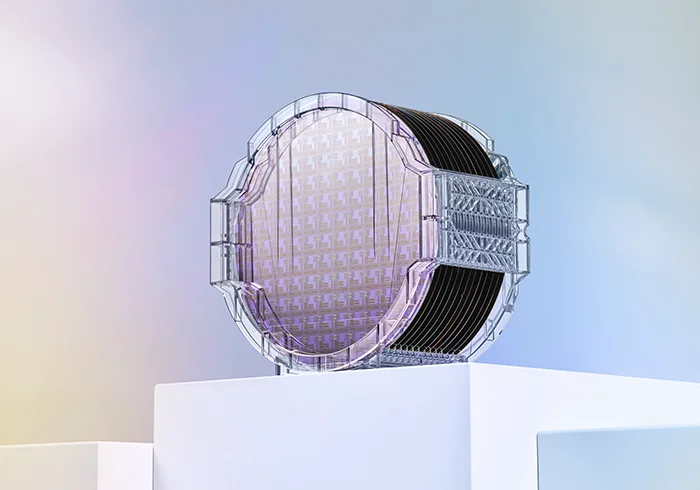
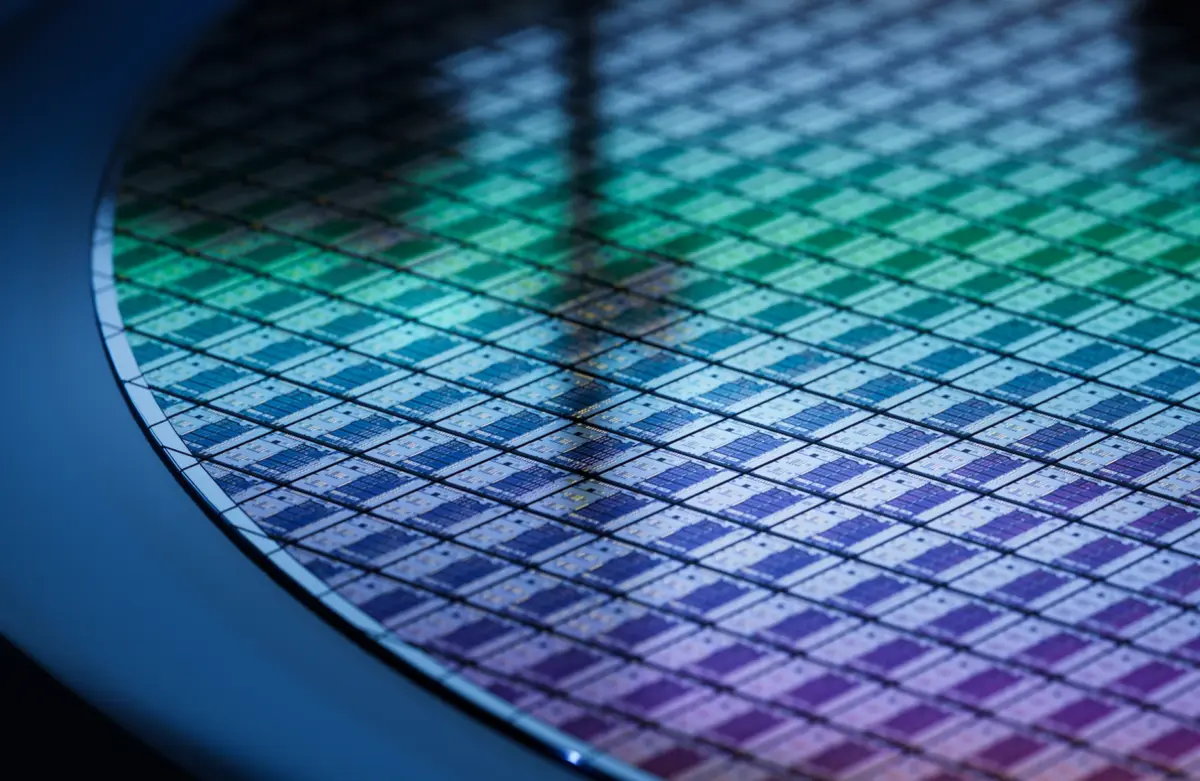
Wafer quality is a critical factor in semiconductor manufacturing. Even small defects, particles, or variations in material properties can affect subsequent processing steps and device performance.
Modern manufacturing facilities generate large amounts of inspection and process data. AI-based analysis can help identify recurring defect patterns, detect process deviations, and support engineers in determining potential causes of quality issues.
Machine learning can also contribute to predictive maintenance by identifying unusual equipment behavior before it leads to production interruptions.
These technologies offer opportunities to improve process consistency, reduce unnecessary material losses, and support higher manufacturing yields.
Advanced Packaging Creates New Material Requirements
The growing demand for computing performance is encouraging semiconductor manufacturers to explore increasingly sophisticated chip architectures.
Instead of integrating every function into a single semiconductor die, chiplet-based designs allow different components to be combined within one package. Advanced packaging technologies make this approach possible through high-density interconnections between individual chips.
These developments also place additional demands on semiconductor materials. Depending on the application, wafer thickness, surface quality, flatness, dimensional tolerances, and material properties can become particularly important.
Silicon wafers, specialty substrates, and application-specific materials therefore remain key elements of modern semiconductor manufacturing.
Reliable Wafer Supply Chains Remain Essential
Although AI can improve manufacturing processes, consistent material quality and reliable sourcing remain fundamental requirements.
Semiconductor manufacturers depend on stable specifications, qualified suppliers, and predictable material availability. This becomes especially important when applications require customized wafer properties or specialized processing.
A diversified supplier network can help companies manage supply risks and respond more flexibly to changing production requirements.
Supporting Semiconductor Innovation with the Right Materials
As semiconductor technologies evolve, the importance of selecting suitable materials continues to grow.
ABC GmbH supports customers in sourcing silicon wafers, specialty semiconductor substrates, and related processing services. Working with qualified manufacturing partners, ABC helps them identify material solutions that meet their technical specifications and commercial requirements.
AI may change how semiconductors are designed and manufactured, but reliable materials and consistent quality remain the foundation of successful semiconductor production.